
Skip to content
  • Jump to:
  • Spider mites and other mites
  • Damage
  • Species
  • Life cycle
  • Solutions
  • News

Biological control of spider mites and other mites

Spider mites and other mite species can rapidly infest greenhouse and field crops, feeding on plant cells and causing leaf discoloration, reduced photosynthesis and lower yields. Their fast reproduction makes early detection and continuous control essential for maintaining healthy, productive crops. Biological control of spider mites and other mites uses a range of natural enemies that target different developmental stages of the pest:

Predatory mites provide the foundation of control by feeding on spider mite eggs, larvae, nymphs and adults. Predatory bugs and gall midges complement this activity by seeking out mite hotspots and reducing outbreaks quickly. With Koppert’s biological solutions for spider mites and other mites, professional growers can maintain stable pest control, protect crop quality and ensure sustainable production.

Biological solutions for Spider mites and other mites

Filters:
Clear all filters
Show all Show less
products found:

Questions or need help?

Find a reseller

Learn more about

What are spider mites?

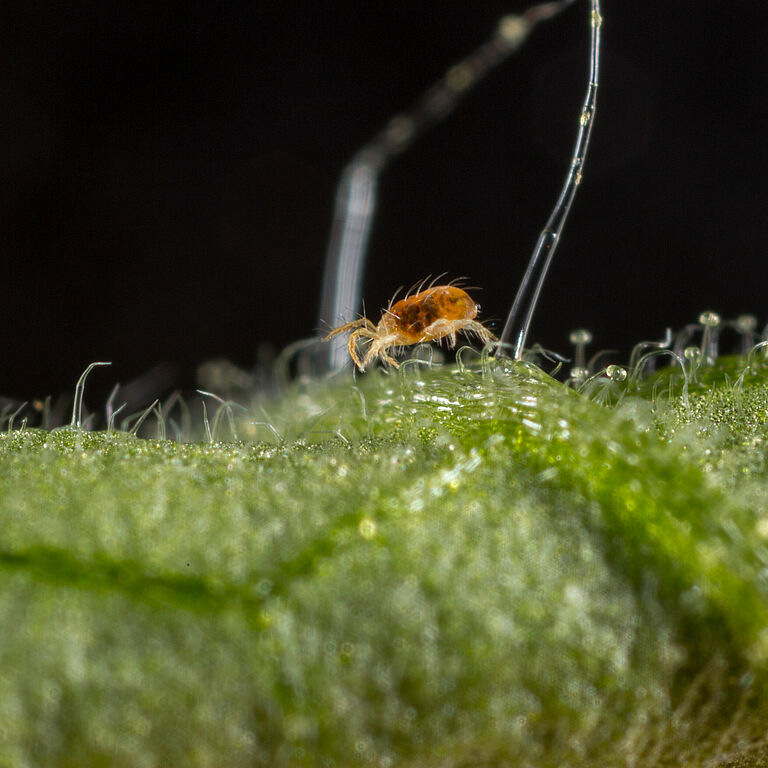
Spider mites are pests that present a threat to many crops throughout the world. Despite their small size, they are capable of causing severe damage very rapidly due to their great reproductive capacity. There are more than 1200 species worldwide, many of them are common crop pests. The two-spotted spider mite, Tetranychus urticae, is by far the most important species in greenhouses and many outdoor crops.

Spider mite damage

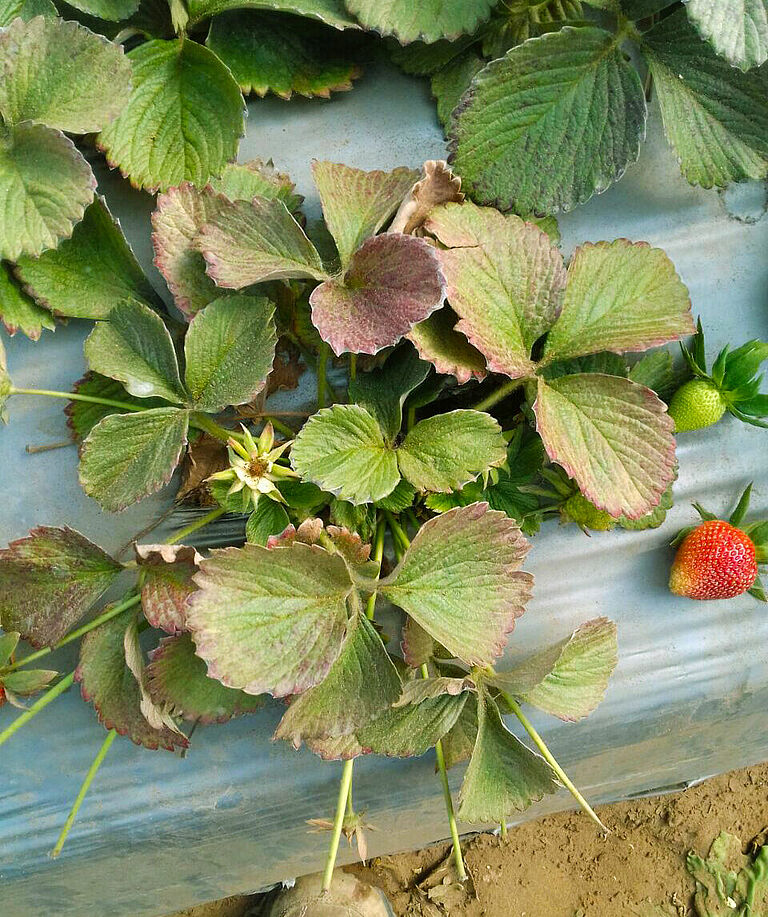
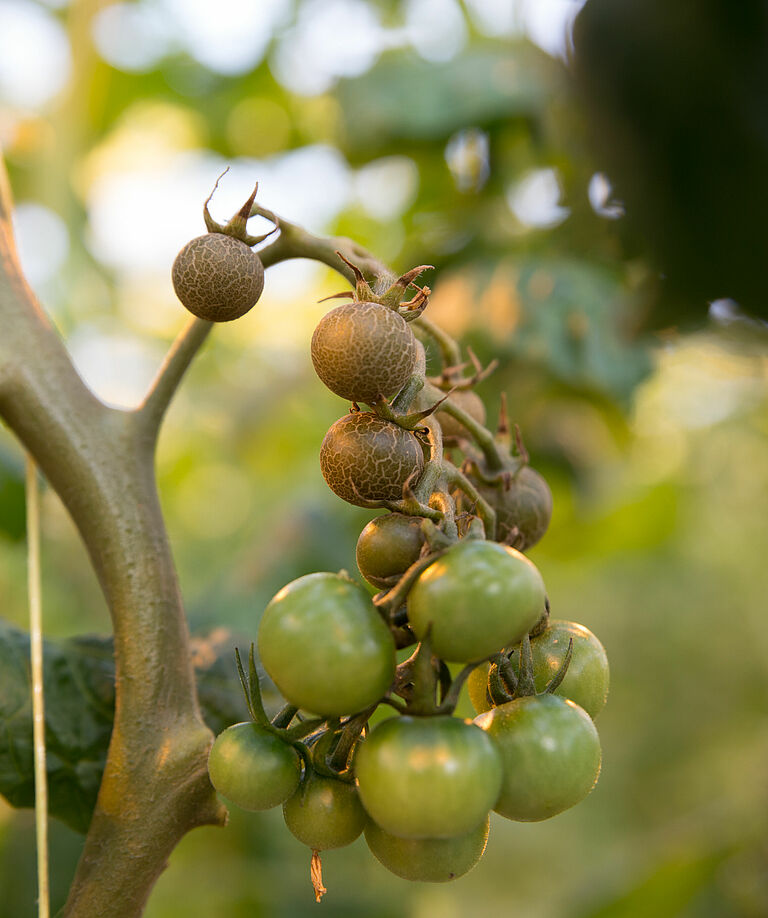
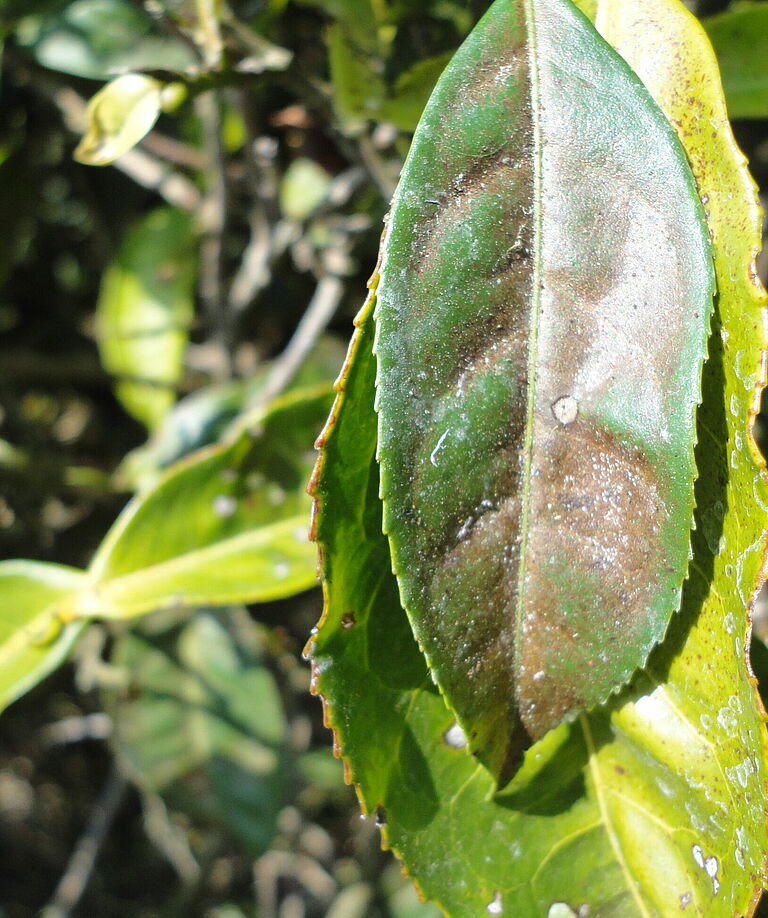
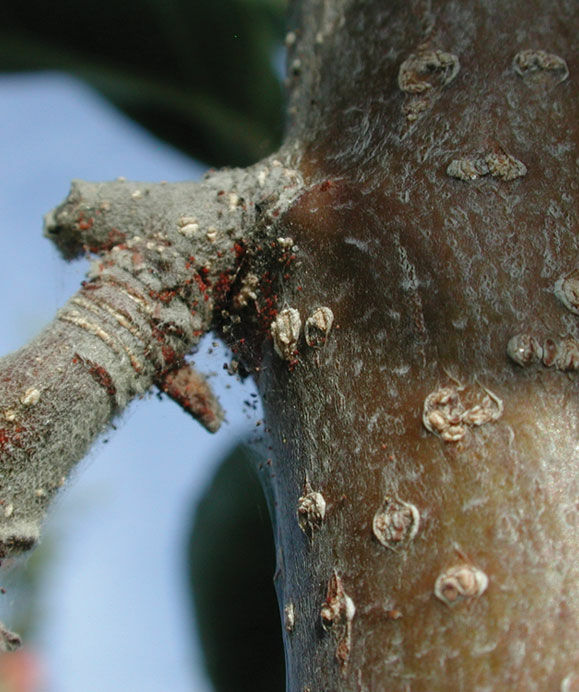
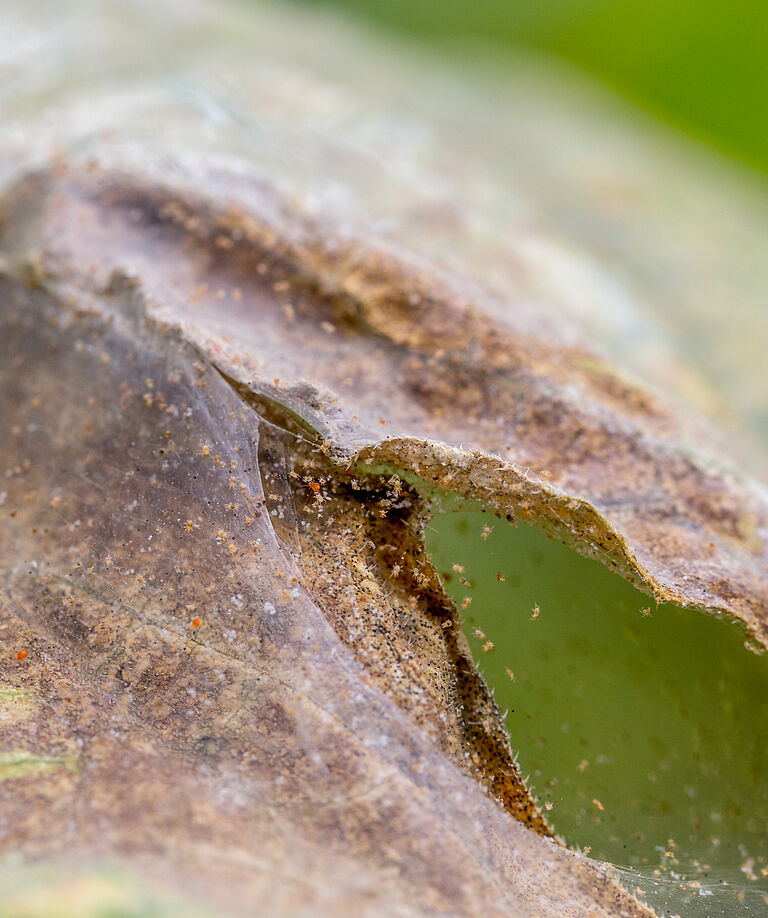
Larvae, nymphs and adults cause damage to the host plant by feeding on plant sap. They mainly occur on the underside of leaves where they pierce the cells and suck out the contents. The empty dead cells become yellow, and in many plants the damage can also be seen on the upper surface of leaves as small yellow dots. The destruction of cells results in reduced photosynthesis, increased transpiration and reduced plant growth. As damage increases whole leaves turn yellow, and as more cell sap is removed, the leaf, and eventually the whole plant may die. The nymphs and adults also produce webs, and plants can be completely covered with such webs in which the mites live. The webbing and spotting on the leaves affect the appearance of the crop. This is of particular concern in ornamental crops.

Life cycle of spider mites

Spider mite control videos

Take a look at the video or go to our Youtube channel to see our spider mite control products in action.

Need help?