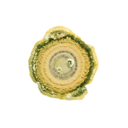
What are nematodes? Nematodes, commonly referred to as roundworms, are a diverse group of worms belonging to the phylum Nematoda. Nematodes are characterized by their unsegmented, cylindrical bodies,
What is IPM? Integrated Pest Management, often referred to as IPM, is a sustainable and environmentally responsible approach to pest management. It employs a combination of strategies to prevent and c
What are beneficial microorganisms? Beneficial microorganisms, also known as beneficial microbes, are microorganisms that provide positive effects to their environment, including various biological sy
Understanding crop monitoring and scouting In the world of agriculture and horticulture, the phrase "knowledge is power" couldn't be truer. Crop monitoring and scouting are crucial practices that can
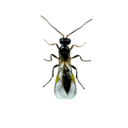
Biocontrol explained Biological pest control, often referred to as biocontrol, is a method of managing pests using natural predators, parasitoids, or pathogens. This approach partners with nature to m
Crop protection in agriculture Crop protection is the practice of protecting plants against pests, diseases, and harmful influences to ensure healthy growth and reliable harvests. It is essential in a
About This popular vegetable is a round seed in the seed pod of the fruit, Pisum sativum . Pods of this plant develop from the ovary of a pea flower and carry numerous peas. The vegetable is a bright
About This cereal grain is grown in temperate regions worldwide. It is one of the four most important cereal corps grown in the world, next to wheat, rice and maize. Barley (Hordeum vulgare) is a memb
About Wheat ( Triticum spp., most commonly T. aestivum ) is a cereal grain, but botanically a particular type of fruit referred to as caryopsis. Wheat originates from southwestern Asia, or more specif
About Cabbage or headed cabbage (consisting of various cultivars of Brassica oleracea ) is a biennial plant with green, white or purple leaves. This plant is usually grown as an annual vegetable crop