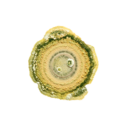
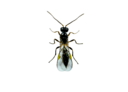
a valuable solution in integrated pest management (IPM) strategies, where it acts as a natural enemy to help control thrips populations. Neoseiulus cucumeris [...] cucumeris is most effective at temperatures between 15 and 25°C (59 and 77°F). It is not effective at temperatures above 30°C/86°F. Neoseiulus cucumeris is
a wide temperature range including low temperatures (average > 12°C/54°F). It is most effective at 20-28°C (68-82°F). Combined use Can be used in combination
Spotted Wing Drosophila has recently invaded Europe and the Americas where it is causing serious damage to many soft fruit crops. Fly damage Flies can cause
many vegetable and ornamental crops in greenhouses, and on various weeds. It is an especially significant pest in cucumber, sweet pepper, eggplants, and
particularly important in ornamentals . The honeydew deposited on fruit makes it sticky. Dirt adheres to the fruit, and the growth of sooty moulds ( Cladosporium
windless day (<3 m/s) Keep the ventilation windows closed during application. It is recommended to use fans to improve the distribution Make sure to keep stirring
seed. In this way, the beneficial ingredients are available to the seed when it requires them. What are the benefits of biological seed treatment? Biological
Phytonemus pallidus ) feeds on plant sap by penetrating the plant tissue with its piercing-sucking mouth parts. The mites are mostly found within the flower
swirskii is most effective at temperatures between 20 and 32°C (68 and 90°F). It is not effective at temperatures below 18°C (64°F). A. swirskii is sensitive
swirskii is most effective at temperatures between 20 and 32°C (68 and 90°F). It is not effective at temperatures below 18°C/64°F. Amblyseius swirskii is sensitive