western flower thrips (Frankliniella occidentalis) is the most important vector for both tomato spotted wilt virus (TSWV) and impatiens necrotic spot virus (INSV)
General information The demand for biological seed treatment solutions is increasing. These ensure that farmers protect their potential yield and quality
fruit of the Citrus X aurantium is recognized as a bitter orange. Recommended for you Healthy Soils, Healthy Crops with Koppert’s Comprehensive Soil Health
bright red when ripe. Varieties can come in other colours as well. Recommended for you How Koppert Kenya is Empowering Small-holder Farmers Through Biological
partnership with nature. Using natural enemies to control pests, bumblebees for pollination, and microbials that support, protect, and strengthen crops. Improving
leaf veins, with most damage evident where these veins join. Fruit damage, for instance in cucumber, only occurs if the crop is heavily infested. In some
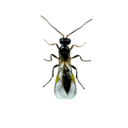
General Impatiens thrips (Echinothrips americanus) is an increasing problem in greenhouse cultivation, having spread to many countries within the last 30 years. The thrips have mostly been able to spr
lives freely (vagrant) on tomato plants. Aculops lycopersici was detected for the first time in Australia and is a pest in tomatoes in all areas where they
product can be stored for 1-2 days. Storage temperature 8-10°C/47-50°F. Storage conditions In the dark, bottle standing. Recommended for you Diglyphus isaea
are nocturnal and usually hide between leaves during the day. Recommended for you How Koppert Kenya is Empowering Small-holder Farmers Through Biological