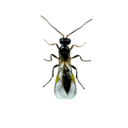
product range Application Place traps in areas with high risk of pest infestation such as areas near doors, gable ends and lateral ventilation openings
plant’s growth is retarded giving rise to deformed leaves or, if the infestation occurs early enough in the season, the death of young plants. Retarded
and on the soil and at the base of plant stems. The reduction of the infestation level occurs at a slow but steady rate. Pack size 50,000 predatory mites
and on the soil and at the base of plant stems. The reduction of the infestation level occurs at a slow but steady rate. Pack size 10,000; 50,000; 125
underside of young leaves, where they deposit their eggs. When shaking infested plants, adults will first fly, then return to the underside of the leaves
specific pest problem Determine the required nematode quantity based on the infestation severity and treatment area and as indicated on the product labels Store [...] nematodes Plant-parasitic nematodes are a group of parasitic nematodes that infest and damage plants, leading to significant agricultural and horticultural
and on the soil and at the base of plant stems. The reduction of the infestation level occurs at a slow but steady rate. Feeding behaviour of Stratiolaelaps
surface intact, thereby creating translucent windows. In cases of severe infestation, entire leaves may be destroyed, leaving only the veins. The larvae feed