prevention rather than reaction. It emphasizes practices that deter pests from infesting in the first place. Monitoring Regular monitoring of pest populations helps
all different developmental stages can be found together. When shaking infested plants, adults will first fly, then return to the underside of the leaves
sap, weakening crops and producing honeydew that leads to sooty mould. Infestations reduce plant vigor, fruit quality and overall yield. Effective control
behaviour. Ladybugs use their keen sense of smell to locate areas with aphid infestations. Once they find aphids, ladybugs use their specialized mouthparts to
instance, growers might release predatory mites to control spider mite infestations in a greenhouse. Augmentative biological control can provide rapid results
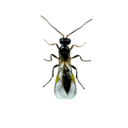
wasp’s feeding rate and efficacy can vary with the density of leafminer infestations, allowing it to adapt to changing pest pressures. Adult Diglyphus isaea
easy for the employees to access the plants, for example to scout them. Infestations may therefore occur in the greenhouse that only become noticeable once
General Two-spotted spider mite ( Tetranychus urticae ) is a pest of many crops throughout the world. Despite their small size, they are capable of very rapidly doing severe damage, due to their great
seamlessly into existing crop protection programs, helping growers manage infestations, reduce resistance, and maintain healthy crops. Learn more Plant disease
is a specialist predator of spider mites and can control spider mite infestations very quickly but doesn’t feed on any other prey. Under dry, warm conditions