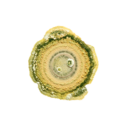
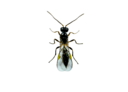
As the insect succumbs to the fungal infection, the fungus continues to grow. Eventually, it produces more spores, which can be released into the environment
of beetles can cause damage to crops. The larvae of some species feed on growing tips and roots or chew and bore into stems, but in other species also feed
damaged, although the preference is for smaller specimens. The fruits stop growing, mature rapidly, and drop off. In legumes, flowers are attacked, and seed
spores to move through water. The zoospores are chemically drawn to the growing roots of young plants and move towards them through the soil water. They
or sticks at max. 30 cm above the crop and adjust height when plants are growing Do not place traps in-between the plants as parasitic wasps will then also
and technology to minimise environmental impact. This has allowed them to grow and strengthen their competitiveness in international markets. Thanks to
making the crop and its fruit sticky. Black fungal moulds ( Cladosporium spp.) grow on this honeydew, contaminating fruit and ornamental crops and rendering
sustainable society, with safe food in sufficient quantities to feed a rapidly growing population. Producing our natural enemies and microbiological solutions
(Frankliniella occidentalis) prefer to feed on developing plant tissues such as growing tips and flower buds. When these tissues develop further, the leaves and