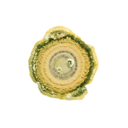
antagonistic effects on plant pathogens, such as fungi, bacteria, and nematodes. Trichoderma harzianum is often applied as a biocontrol agent to protect crops against [...] capacity to make certain 'fixed' nutrients such as manganese and iron available for the plant to absorb. As a result, it provides a natural and environmentally [...] attacks of pathogens. Applications with Trianum-P or Trianum-G should start as early as possible, at the moment of sowing or transplanting. For transplanted crops
referred to as roundworms, threadworms, and eelworms. Beneficial nematodes for pest control Nematodes for pest control, often referred to as entomopathogenic [...] What are nematodes? Nematodes, commonly referred to as roundworms, are a diverse group of worms belonging to the phylum Nematoda. Nematodes are characterized [...] nematodes or beneficial nematodes, are microscopic roundworms that serve as natural agents for biological pest control . Beneficial nematodes are highly
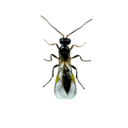
should always be adjusted to the particular situation. Start introduction as soon as the first mines are visible in the crop. Introduction rates typically [...] Eulophidae within the order Hymenoptera . It is widely recognized for its role as a biological control agent for leaf miner control. Its ability to effectively [...] pests: Leaf miners The parasitic wasp Diglyphus isaea is available at Koppert as Miglyphus Diglyphus isaea products Miglyphus Expand all items How to use Diglyphus
sometimes yellow or purple and widely grown as a cool season vegetable crop. Immature peas are consumed as a vegetable and often canned or frozen. Dry
species causing major damage to cultivated grasses, such as maize, rice, sorghum and sugarcane, as well as other crops, including cabbage, beet, peanut, soybean
nicotianae ) is also encountered in a range of crops in greenhouses, such as sweet pepper, aubergine, chrysanthemum, and various pot plants and cut flower [...] extract nutrients from the plant and disturb the balance of growth hormones. As a result, the plant’s growth is retarded giving rise to deformed leaves or [...] variety in colour. When reproduction is asexual, the young aphids are born as developed nymphs. They immediately start to feed on plant sap and grow rapidly
General The tomato russet mite (Aculops lycopersici , also referred to as Vasates lycopersici, Vasates destructor and Phyllocoptes destructor in older [...] The damage is first seen on the lower part of the plant and moves upwards as the mites ascend. Life cycle and appearance of tomato russet mite All life [...] plants. When newly laid they are creamy white but turn to a patchy yellow as they age. The mites have two nymphal stages: sometimes they are also called
using the dead larvae as food. Adult females also kill young leaf miner larvae by using them as a food source. This is known as host feeding. Visual effect [...] should always be adjusted to the particular situation. Start introduction as soon as the first mines are visible in the crop. Introduction rates typically [...] Combined use Can be combined with Minusa. Storage time after receipt Apply as soon as possible after receipt. If necessary, the product can be stored for 1-2
beneficial insects in crop protection. As he navigates challenges and celebrates successes, his story stands as an inspiring testament to the evolving [...] highlighting the dynamic nature of embracing change in the agricultural landscape. As Lukas steers his hop farm towards organic production, setbacks have been [...] advancement in the toolkit for organic farming. He envisions this approach as a crucial building block for the future of organic agriculture, providing
hands Horiver Drystick traps generally do not catch insects for as long as Horiver Wetstick as the glue gets saturated earlier with insects or dust and debris [...] different flying insects. The traps work particularly well for bugs such as Lygus spp. and Nesidiocoris tenuis. Pests Yellow: Whitefly , Nesidiocoris [...] range Application Place traps in areas with high risk of pest infestation such as areas near doors, gable ends and lateral ventilation openings Attach traps