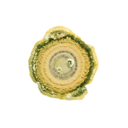
General Sclerotinia sclerotiorum, also known as cottony soft root, is a plant pathogenic fungus. It has a very wide range of host plants. Damage symptoms The first symptoms of a cottony soft root ( Sc
General Mycosphaerella fijiensis also known as black sigatoka, is an ascomycete fungus that causes leaf-spot of banana. Damage symptoms Black sigatoka (Mycosphaerella fijiensis ) first causes small, l
General Grey mould ( Botryotinia fuckeliana / Botrytis cinerea ) is a commonly found fungus in many environments. It survives in plant parts like bulbs and crop residues or as sclerotia (drought- and
General Peronospora sparsa is a plant pathogen that causes plant diseases, such as downy mildew of rose and diseases on blackberries, raspberries and other Rubus species. Damage symptoms Downy mildew
General Late blight (Phytophthora infestans f.sp. infestans) is also known as Phytophthora blight, tomato blight, early / late blight tomato, potato blight and late / early blight of potato. Damage sy
General Fusarium is a group of soil-borne fungi with many different species. Fusarium is widespread and can infect a range of host crops. Many species are considered weak pathogens and can only infect
General The only known stage in all Alternaria species is the asexual stage. Conidia and mycelium overwinter in the soil and on crop residues and cause primary infection of the leaves. Survival can be
General Pythium is considered a ‘weak pathogen’, meaning that it can usually only affect plants that are in a sub-optimal condition or suffer from stress, caused for example by too much water, too hig
beneficials and capacity training is always ongoing both internal and external – where Koppert has been instrumental. This shared ownership ensures the program [...] “Yes, IPM is an investment” Fred admits honestly. “But the real question is — does it work? And does it reduce other costs?” For United Selections, the answer
Thrips. At a glance: Allies in the fight against Whitefly Know Your Enemy - A closer look at Whiteflies