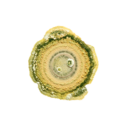
General Peronospora sparsa is a plant pathogen that causes plant diseases, such as downy mildew of rose and diseases on blackberries, raspberries and other Rubus species. Damage symptoms Downy mildew
General Late blight (Phytophthora infestans f.sp. infestans) is also known as Phytophthora blight, tomato blight, early / late blight tomato, potato blight and late / early blight of potato. Damage sy
General Pythium is considered a ‘weak pathogen’, meaning that it can usually only affect plants that are in a sub-optimal condition or suffer from stress, caused for example by too much water, too hig
General Xanthomonas fragariae is a leaf spot disease found in strawberry. Damage symptoms Xanthomonas fragariae initially causes small, water-soaked lesions on the underside of the leaf. They enlarge
General The only known stage in all Alternaria species is the asexual stage. Conidia and mycelium overwinter in the soil and on crop residues and cause primary infection of the leaves. Survival can be
General Grey mould ( Botryotinia fuckeliana / Botrytis cinerea ) is a commonly found fungus in many environments. It survives in plant parts like bulbs and crop residues or as sclerotia (drought- and
General Sclerotinia sclerotiorum, also known as cottony soft root, is a plant pathogenic fungus. It has a very wide range of host plants. Damage symptoms The first symptoms of a cottony soft root ( Sc
General Erwinia carotovora subsp. carotovora has recently been renamed Pectobacterium carotovora . It is one of the pectolytic bacteria causing extensive bacterial rots (bacterial soft rot, bacterial
General Mycosphaerella fijiensis also known as black sigatoka, is an ascomycete fungus that causes leaf-spot of banana. Damage symptoms Black sigatoka (Mycosphaerella fijiensis ) first causes small, l
Amazone Plants uses a variety of beneficials to keep these pests under control. Consultant Wim van der Meer names them for us. Amazone Plants uses Macro-Mite [...] means that there is always a strong population in the greenhouse crop and control of the thrips is maintained at the right level. The method works fine in [...] success.’ Biological plant protection is so much better Amazone Plants controls aphids with a combination of the Aphipar parasitic wasp and the Aphidend