pods. Root infection often leads to premature wilting and death of plants. Life cycle and appearance of Cottony soft rot Cottony soft root ( Sclerotinia
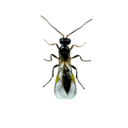
instead rely on nectar and honeydew for nourishment. Life cycle and appearance of Eretmocerus eremicus The life cycle of Eretmocerus eremicus involves an egg
infected, creating a look similar to that of a Phytophthora fragariae infection. Life cycle and appearance of Angular leaf spot Xanthomonas fragariae overwinters
On fruits, dark sunken, leathery lesions occur at the side of the stem. Life cycle and appearance of Early blight From the primary infection of leaves
infections cause the berries to split and one or both parts to possibly shrivel. Life cycle and appearance of Downy mildew Pathogens causing downy mildew are not
this disease which ravaged potato crops throughout Europe during the 1840s. Life cycle and appearance of Phytophthora blight Phytophthora species are very
wound. This is the way to distinguish it from Verticillium or Fusarium wilts. Life cycle and appearance of Bacterial wilt, brown rot Ralstonia solanacearum
the cuttings die due to carry-over infection from infected parent plants. Life cycle and appearance of Grey mould Spores of grey mould ( Botryotinia fuckeliana
is the easy stripping of the skin from the root cortex with a finger nail. Life cycle and appearance of Damping-off Pythium belongs to the Oomycetes, a separate
occidentalis) larvae per day and lays about two eggs per day. Life cycle of Neoseiulus cucumeris The life cycle of Neoseiulus cucumeris consists of the following