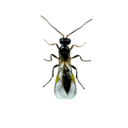
3 eggs per day at 25°C under optimal conditions. Life cycle of Amblydromalus limonicus The life cycle of Amblydromalus limonicus consists of the following [...] and whitefly. Key advantages of Amblydromalus limonicus: Targets multiple life stages of thrips and whitefly, including second instar (L2) thrips larvae
Crop rotation and soil health In agriculture, crop rotation disrupts the life cycle of pests and can reduce the need for chemical pesticides. Additionally [...] effectiveness of control strategies and making necessary adjustments. The IPM cycle is an ongoing process that incorporates the principles mentioned above. It's [...] scouting is the systematic observation of crops throughout their growth cycle. This involves a close inspection of plants for signs of pests and diseases
stem end. Later the fruit becomes soft and lesion contents become liquid. Life cycle and appearance of Bacterial soft rot, bacterial stem rot Erwinia carotovora
of the foot rot syndrome in peas. Infected seeds may have brown areas. Life cycle and appearance of Pea blight, leaf and pod spot Ascochyta pisi hardly
Root infection often leads to premature wilting and death of plants. Life cycle and appearance of Cottony soft rot Cottony soft root ( Sclerotinia sc
creating a look similar to that of a Phytophthora fragariae infection. Life cycle and appearance of Angular leaf spot Xanthomonas fragariae overwinters
On fruits, dark sunken, leathery lesions occur at the side of the stem. Life cycle and appearance of Early blight From the primary infection of leaves,
comprehensive, sustainable approach to tackling thrips at key stages of their life cycle. By combining advanced monitoring tools with natural enemies and other
) larvae per day and lays about two eggs per day. Life cycle of Neoseiulus cucumeris The life cycle of Neoseiulus cucumeris consists of the following stages:
cause the berries to split and one or both parts to possibly shrivel. Life cycle and appearance of Downy mildew Pathogens causing downy mildew are not