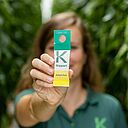
Biofungicide for crop protection Trichoderma harzianum T-22 is a species of beneficial fungus commonly used in agriculture and horticulture for its various beneficial properties. This fungus is known
About This popular vegetable is a round seed in the seed pod of the fruit, Pisum sativum . Pods of this plant develop from the ovary of a pea flower and carry numerous peas. The vegetable is a bright
About This cereal grain is grown in temperate regions worldwide. It is one of the four most important cereal corps grown in the world, next to wheat, rice and maize. Barley (Hordeum vulgare) is a memb
About Wheat ( Triticum spp., most commonly T. aestivum ) is a cereal grain, but botanically a particular type of fruit referred to as caryopsis. Wheat originates from southwestern Asia, or more specif
About Cabbage or headed cabbage (consisting of various cultivars of Brassica oleracea ) is a biennial plant with green, white or purple leaves. This plant is usually grown as an annual vegetable crop
About The cauliflower, along with several other vegetables, belongs to the species Brassica oleracea of the genus Brassica which is part of the family of Brassicaceae . Broccoli, Brussels sprouts, cab
About Broccoli is a tasty, green plant. When it comes to botanical classification, the broccoli plant is categorized as part of the Italica cultivar group that belongs to the species Brassica oleracea
About Native to the tropical regions of South Asia and Melanesia, sugar cane belongs to the tall perennial true grass genus, Saccharum , of the family Poaceae . In terms of production quantity, it is
About Broad bean, fava bean, faba bean, field bean, bell bean, English bean, horse bean, Windsor bean, pigeon bean and tick bean are all different names for the Vicia faba , a flowering plant and spec
About Rice is actually the seed of two particular species of grass: Oryza sativa (Asian rice) or Oryza glaberrima (African rice). Rice is a serial grain and the most popular staple food for a large pa