About Maize or corn ( Zea mays ), is a large grain plant that is divided in different types including: pod corn, sweet corn, flour corn and baby corn. Maize is adaptable to a whole range of climate co
About The common bean (also referred to as the string bean, field bean, flageolet bean, French bean, garden bean, green bean, haricot bean, pop bean, or snap bean) is a herbaceous annual plant. Botani
About The gerbera belongs to the family of daisies or Asteraceae . The flowering plant is originally from South Africa and grew among others in the Cape Province and Transvaal region. Nowadays, the ge
Recommended for you How Koppert Kenya is Empowering Small-holder Farmers Through Biological Innovation Meet Capirel! An effective addition to your arsenal in the fight against thrips! The cost-saving
About The sweet pepper, also referred to as bell pepper or just pepper, is part of a specific group of cultivars that belongs to the species Capsicum annuum . These different cultivars of the sweet pe
About The particular species of chilli pepper, Capsicum frutescens, is at times categorized under the species Capsicum annuum . The pepper cultivars of Capsicum frutescens can both be annual or perenn
About Blueberries are flowering perennials with dark blue/purple coloured berries. The plant belongs to the section of Cyanococcus and the genus Vaccinium (cranberries, bilberries and grouseberries al
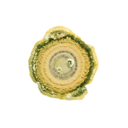
Steinernema carpocapsae nematodes Steinernema carpocapsae is a species of beneficial nematode commonly used in biological pest control . These microscopic roundworms are parasitic and are known for th
Cucumber grower Kees Hendriks (Qcumber) explains how his plant protection strategy has moved from integrated to ‘almost’ biological, using fewer and fewer chemicals. He has been using Trianum for the
With production centers in San Quintín and Vizcaíno, Baja California, Rancho Los Pinos sets the standard for vegetable production, packing, and marketing in northwestern Mexico. Renowned for quality a