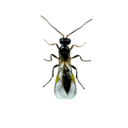
Effective leafhopper control is therefore essential to maintain healthy and productive cultivation. By combining monitoring with targeted biological control
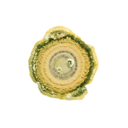
solani can spread to the flowers (especially dangerous in crops for seed production) and to the crown. Sporulation of Alternaria occurs at temperatures from
General The beet armyworm (Spodoptera exigua) has become a regular problem for horticulturalists due to its resistance to nearly all insecticides, and its ability to develop on wild vegetation during
leucotreta ) is native to sub-Saharan Africa and is found in all citrus production areas in Southern Africa. It also occurs on some of the Indian and Atlantic
General The cotton leafworm (Spodoptera littoralis) is a highly polyphagous species feeding on plants of 40 families, containing 87 species of economic importance. It originates in Egypt, and is curre
General The western flower thrips (Frankliniella occidentalis) is currently the most damaging thrips species in many greenhouse crops. The western flower thrips (Frankliniella occidentalis) can be fou
General The diamond back moth (Plutella xylostella) belongs to the family of Plutellidae . It only attacks Brassicaceae species, including cruciferous weeds. The diamond back moth (Plutella xylostella
General The onion thrips (Thrips tabaci) is distributed throughout the world. It is found outdoors on many plants and particularly damaging on onions, leek, and in greenhouses on cucurbits, tomato, sw
General Impatiens thrips (Echinothrips americanus) is an increasing problem in greenhouse cultivation, having spread to many countries within the last 30 years. The thrips have mostly been able to spr