); citrus red mite ( Panonychus citri ); other spider mite species. Crops Do not use in tomato. Mode of action Predatory mites multiply in the sachet and
sticks at max. 30 cm above the crop and adjust height when plants are growing Do not place traps in-between the plants as parasitic wasps will then also be
or in the soil. When pupation occurs inside mines or fruits, the prepupae do not build cocoons. Pupae have a greenish coloration at first, and then turn
projected to hit 9 billion people by 2050. The big question remains to be, how do we produce enough food to feed the population and at the same time conserve [...] nurture our natural resources? Putting nature into action will allow us to do great things and in the process sustain a happy population and planet. By
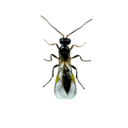
antennae that are curved back over the head. The prepupal and pupal instars do not feed and only move if disturbed. In the adults both pairs of wings are
the earlier development stages only feed on smaller prey stages. The larvae do not eat. They develop quickly to protonymph and then start to feed on spider [...] turning slightly darker later on. The larvae have three pairs of legs. They do not feed and remain inactive unless disturbed. Once the larva has moulted
Spray the solution as soon as it is prepared and within a short timeframe. Do not store mixed suspensions Dosage Capsanem is typically applied at a rate [...] 35°C/95°F can be lethal Nematodes are susceptible to ultraviolet light (UV): do not use them in direct sunlight The moisture content of the soil must be kept
a high level of plant health and vigour so that the harvesting machine can do its work well. ‘With the introduction of mechanical harvesting, we were forced
springtails, nematodes and other small soil-dwelling organisms. The larvae do not feed. Nymphs and adults prey mainly in the upper 1-2 cm of the soil. Adult
like Koppert can contribute, bringing very specific biological solutions that do not develop resistance to pests," said José Armida, agricultural director