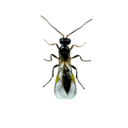
mouthparts. Females have a large, rounded abdomen within which the ovipositor is visible. Males are somewhat smaller than females and have a thin abdomen.
main colours are white, yellow, orange, red and pink, but one flower can have petals in varying colours. In addition, the gerbera is also used as a model
Growers who have successfully adopted mass trapping of thrips with Horiver-TR have reported that thrips control has become much easier. They have been able [...] surface. This causes silver-grey spots on the leaves where the plant cells have been destroyed and reduces the production potential of the plant. At high [...] population levels of thrips for successful pest management. Most insects have the ability to detect and respond to UV light and colours using receptors
sucking out the sap from the plant leaves and secreting honeydew. This can have the following consequences: If the population is very large, feeding on plant [...] true) and adult. The larvae are found on the underside of young leaves and have an oval shape. The first instar larvae (crawlers) are mobile, whereas the
s citri are 2.5 - 4 mm long and 2 - 3 mm in breadth. Seen dorsally, they have an oval form; they are soft and covered with a fine waxy material. They move [...] are short lived and can be hard to spot. They are smaller than the females, have two pairs of wings and two long tail filaments. Their sole task is to fertilize
potatoes. The plant’s flowers vary from white, pink, red or blue, to purple and have yellow stamens. After the flowering phase, the plants grow small, green fruits
they learned about Koppert's natural solutions. Since then, both companies have maintained a close relationship that has allowed them to go one step further [...] and their relationship with other integrated pest management tools. "You have to be patient and lose your fear. You need the help of Koppert consultants
the use of disease-resistant plant varieties. Opt for plant varieties that have been specifically bred for disease resistance. These varieties are inherently [...] diseases When prevention and early detection fall short, it's crucial to have effective treatment strategies at your disposal. Biofungicides Biofungicides
Race 3 is pretty much restricted to potato and tomato. Whereas other races have optimum temperatures of 35-37 °C, the optimum for Race 3 is 27 °C, which
organs to register volatiles emitted by damaged plants. Phytoseiid mites have no eyes and therefore rely on volatiles released by damaged plants and their [...] light pink when freshly laid, turning slightly darker later on. The larvae have three pairs of legs. They do not feed and remain inactive unless disturbed [...] locations in the crop, avoid hanging into direct sunlight Sachets already have an exit hole Hold sachets by the cardboard strip at the top, to avoid damaging