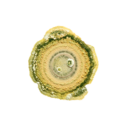
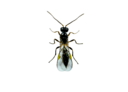
tropical and subtropical America, probably Brazil or Mexico. Hundreds of plant species from different families serve as suitable hosts for this whitefly. It occurs
thrips (Frankliniella occidentalis) is currently the most damaging thrips species in many greenhouse crops. The western flower thrips (Frankliniella occidentalis)
insects, in the same way as they do in the wild. Koppert supplies various species of parasitic wasps, predatory mites, bugs and beetles , gall midges, and
Panonychus ulmi ); citrus red mite ( Panonychus citri ); other spider mite species. Crops Do not use in tomato. Mode of action Predatory mites reproduce within
Pests Young larvae of various thrips species and eggs and larvae of whitefly . Crops Do not use in tomato. Mode of action Predatory mites reproduce within
Pests Young larvae of various thrips species and eggs and larvae of whitefly . Crops Do not use in tomato. Mode of action Predatory mites pierce their
Pests Larvae of various species of thrips (first and second larval stages); eggs and larvae of greenhouse whitefly ( Trialeurodes vaporariorum ) and tobacco
Pests Young larvae of various thrips species. Crops Do not use in tomato. Mode of action Predatory mites pierce their prey with their sucking mouthparts
greater diversity of feeding habits than any other mite family. There are species that feed on fungi, algae, plants, as well as insect and mite predators
Macrocheles robustulus is a species of predatory mite known for its role in biological pest control , particularly in agricultural and horticultural settings