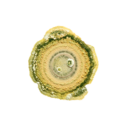
leaves, fruits and pods. Root infection often leads to premature wilting and death of plants. Life cycle and appearance of Cottony soft rot Cottony soft root
fungus proliferates, causing internal damage. This can lead to the insect's death. Spore production: As the insect succumbs to the fungal infection, the fungus
deformed leaves or, if the infestation occurs early enough in the season, the death of young plants. Retarded growth and defoliation reduce yield. Plant sap
of the foot rot complex, which causes rotting of the foot and may cause death of the plants. In cucumber and tomato the fungus causes lesions on pruning
deformed leaves or, if the infestation occurs early enough in the season, the death of young plants. Retarded growth and defoliation reduce yield, Plant sap
pest. They consume the host from the inside, which ultimately leads to the death of the host. Pupal stage: After the larvae have consumed the host, they pupate
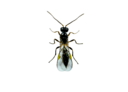
to feed on the internal tissues of the whitefly, leading to the host’s death and contributing to a decline in whitefly populations. Eretmocerus eremicus
wasps have a constant and protected food source, eventually leading to the death of the host. Anagyrus vladimiri also engages in host feeding, where the adult
essential biochemical processes in cells of fungi. This disturbance leads to the death of these cells. Visual effect Progress of disease stops or slows down. Pack