About Mango is a stone fruit (drupe) that grows from various species of tropical trees that belong to the flowering plant genus Mangifera and the cashew family Anacardiaceae . Mangoes are indigenous t
About The banana ( Musa spp.) is a nutritious fruit that grows from various large, herbaceaous flowering plants belonging to the genus Musa . Botanically speaking the fruit is a berry and it varies in
About Citrus is a genus of flowering trees and shrubs in the Rutaceae family. This includes any small tree or spiny shrub, including the lemon, lime, orange, tangerine, grapefruit, citron, kumquat, an
About Maize or corn ( Zea mays ), is a large grain plant that is divided in different types including: pod corn, sweet corn, flour corn and baby corn. Maize is adaptable to a whole range of climate co
About The common grape vine ( Vitis vinifera ) is a species of Vitis . The plant comes originally from the Mediterranean region, central Europe and southwestern Asia and thus has been cultivated in Mo
About The sweet pepper, also referred to as bell pepper or just pepper, is part of a specific group of cultivars that belongs to the species Capsicum annuum . These different cultivars of the sweet pe
already working with a biological pest control program. Contact your local Koppert consultant to evaluate the effect of the chemical interventions and their [...] their effects on natural enemy populations. Better still, refer to the Koppert chemical compatibility list provided by your local consultant or refer to our
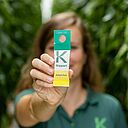
chemical pesticide sprays. Horiver-TR, the blue sticky trap cards from Koppert, have proven to be quite valuable to many growers in Kenya. These are mainly [...] Growers who combine sticky cards with Kairomones such as LUREM-TR from Koppert have reported that the sticky cards captured up to 43% more thrips compared
agriculture and horticulture for achieving healthy, high-yielding crops. At Koppert, we provide biological crop protection solutions that offer natural alternatives
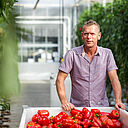
Cucumber grower Kees Hendriks (Qcumber) explains how his plant protection strategy has moved from integrated to ‘almost’ biological, using fewer and fewer chemicals. He has been using Trianum for the