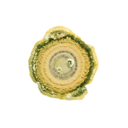
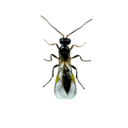
and eggplants. It lives exclusively on the leaves and is often present on weeds in greenhouses. Damage symptoms Thrips cause damage to plants by piercing
through the splash of rain. How to prevent Early blight Remove crop residues, weeds and volunteer plants. Use clean seed and propagation materials. Practice
plants including potato, eggplant, capsicum pepper and tobacco as well as weeds such as Datura stramonium, Lycium chilense , and Solanum nigrum. Damage symptoms
in water and in many different soil types and on alternative hosts like weeds. It invades the plants through wounds or stomata and then spreads into the
including many vegetable and ornamental crops in greenhouses, and on various weeds. It is an especially significant pest in cucumber, sweet pepper, eggplants
aquatic plants, vegetable crops such as celery, pepper and lettuce, and weeds. The secretive habit of the caterpillars of this species makes them very
Plutellidae . It only attacks Brassicaceae species, including cruciferous weeds. The diamond back moth (Plutella xylostella) is suggested to have its origin
greenhouse for signs of thrips or their damage. Further, get rid of any weeds or grass around the greenhouse that may provide host to adult thrips which
control Ensure good sanitation of the greenhouse and its environs. Remove any weeds and plant debris that may serve as host to the caterpillars . Where applicable
measures: Practice good crop hygiene Keep the growing area clean and free from weeds, debris, and plant residues that can harbor aphids. Regularly remove and