-nematode complex. The three-year project was launched in 2015 and is funded by NWO-WOTRO Applied Research Fund (ARF). Tomato is the second most important
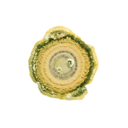
multiple modes of action. Trianum defends the plant from soil-borne pathogens by creating a barrier around the roots and attacking pathogens via mycoparasitism
seminar was held at the headquarters in the Netherlands. This was attended by over 700 guests from across the world. The Dutch King, Willem-Alexander, graced
modern farming techniques can help mitigate the challenges of climate change. By introducing them to cutting-edge solutions, we hope to inspire the younger
General Persea mite ( Oligonychus perseae ) a key pest in avocado production worldwide. It lives and feeds on the undersides of avocado leaves, where it forms small webbed feeding colonies that cause
Pests Whitefly with a side effect on aphids and thrips . Crops Vegetables, ornamentals , nursery trees and soft fruit in protected cultivation. Mode of action After spraying Mycotal, the spores germin
Macrolophus pygmaeus for pest control Macrolophus pygmaeus is a key predatory bug for biological pest control of whitefly , Tuta absoluta and spide mites. This beneficial insect has been widely employ
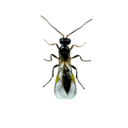
Whitefly control with the parasitic wasp Eretmocerus eremicus Eretmocerus eremicus is a small parasitic wasp belonging to the family Aphelinidae . This beneficial insect is used as an important biolog